Corporate event entertainment is one of the most-frequently underdesigned components of program design. The conventional pattern is to book a band or DJ for the closing reception, schedule a generic “after-party” feel, and call it done. The pattern that produces actually-memorable entertainment treats it as a design element of the program’s narrative — chosen to serve the program’s strategic moment, not as filler. This guide is the working framework we use with corporate clients on entertainment booking — what works at what scale, what current fees actually run, and the design discipline that makes entertainment land.
(For the broader program operations framework, our corporate conferences and meeting planning page covers the full scope.)
What Entertainment Is Actually Doing in the Program
Different entertainment moments serve different program purposes. The scope should be specific before booking:
Reception backdrop entertainment. Low-key, sets a tone, doesn’t compete with conversation. Acoustic duo, lounge-style DJ, ambient strings.
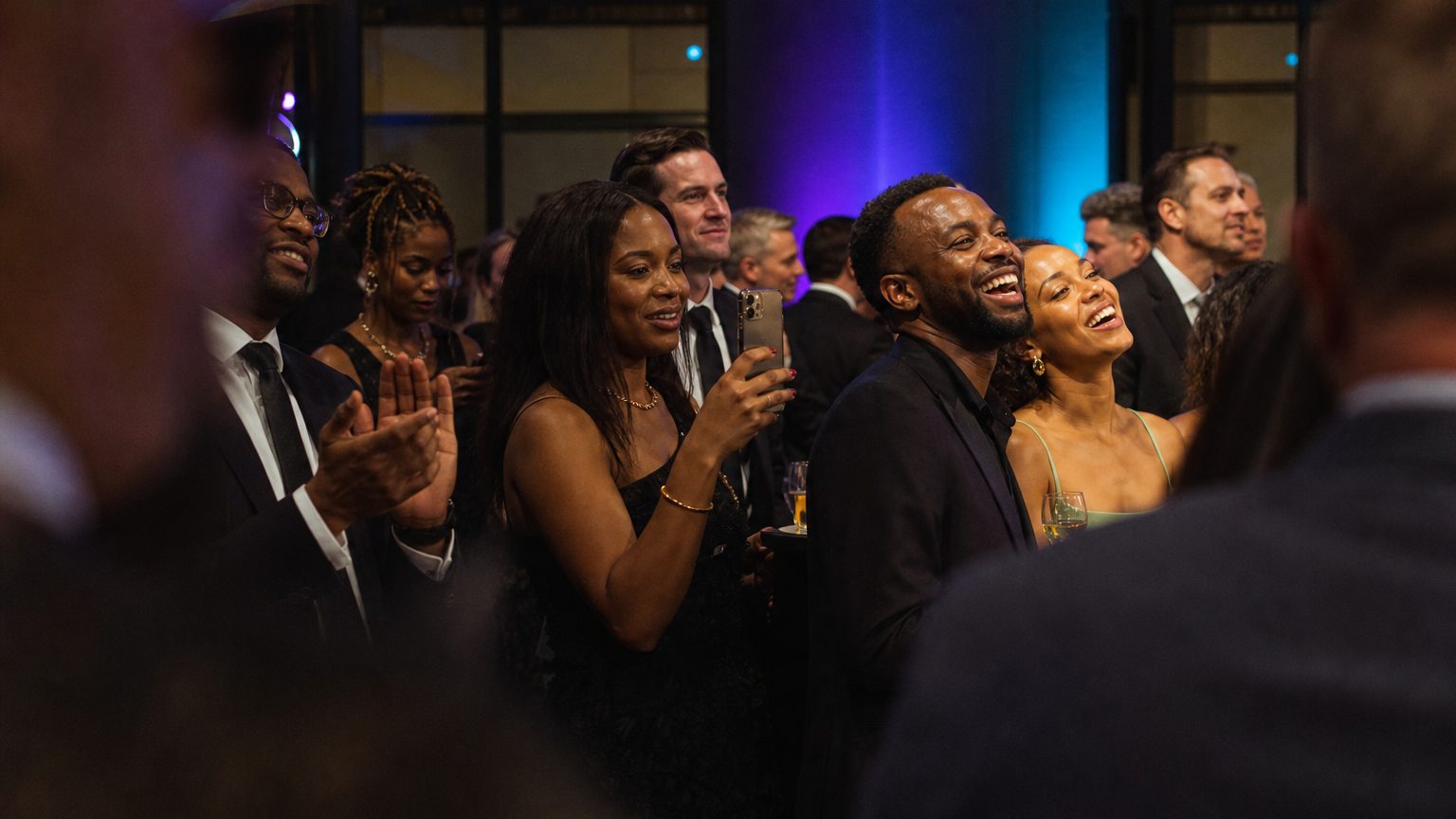
Energy peak / closing celebration. The program’s energy crescendo — full band, recognized DJ, high-production show. Designed to peak attendee energy and create a memorable closing.
Cultural / destination-tied moment. Entertainment specific to the destination — mariachi for Mexico programs, traditional music for international destinations, regional acts at U.S. destinations. Reinforces the destination story.
Narrative-tied recognition moment. Entertainment integrated into the recognition or awards program — a custom song performance, a surprise-celebrity appearance, a thematic act tied to program content.
Interactive / participatory entertainment. Entertainment that includes attendees — comedy that interacts with the audience, magic with audience participation, group experiences. Higher attendee engagement; not for every audience.
Programs that book entertainment without specifying which scope it’s serving typically end up with entertainment that fits no specific moment well.
The Entertainment Categories That Work at Scale
Live bands
For closing receptions or evening programming, a live band consistently produces stronger attendee engagement than recorded music. Working categories:
Cover bands — strong choice for general-audience corporate programs. The repertoire of hits gets the room engaged faster than original material. Per BizBash industry coverage of corporate-event entertainment, well-rehearsed cover bands consistently produce higher dance-floor engagement than recognized acts performing their own material.
Tribute bands — works when the tribute act fits the audience demographic and the program theme. A Fleetwood Mac tribute lands differently than a contemporary-pop tribute.
Recognized artists (regional + national) — for premium incentive and large-scale programs. The named-act element signals program tier.
DJs
For programs where the dance-floor energy matters more than the named-act recognition, a skilled DJ consistently outperforms a band — DJs control the room’s energy curve more precisely than live performers. Working selection criteria:
Corporate-event experience — DJs with extensive corporate-event history read the room differently than club DJs. The styles and pacing differ.
Music format breadth. Corporate audiences span generations; the DJ needs the range to deliver content for the full audience, not just a single demographic.
Production add-ons. LED walls, lighting, fog effects. The visual production around a DJ materially impacts the experience.
Comedy
Stand-up comedy at corporate events is high-risk, high-reward. Works extremely well when the comic understands corporate audiences and stays in the appropriate content range; falls flat or worse when the comic doesn’t. Working selection criteria:
Corporate-event credentials. Comics with extensive corporate-event practice (Brian Regan, Jay Leno, Jim Gaffigan, Sebastian Maniscalco, regional clean-comedy comics) deliver consistently. Comics primarily from club circuits are higher risk.
Material vetting. Pre-contract conversation with the agency about content topics that are off-limits given the audience.
Format choice. Stand-up vs. moderated conversation. Moderated conversation format is lower risk and consistently engaging.
Specialty acts
Magicians, mentalists, immersive theater, aerial performers, fire performers. Works well as a moment-specific entertainment element — not a full evening’s entertainment. The right specialty act for a 20-minute attention block can be highly memorable.
Cultural and themed entertainment
For destination-tied programs, locally-rooted entertainment consistently outperforms generic entertainment. Mariachi in Mexico, traditional fado in Portugal, hula in Hawaii, second-line bands in New Orleans, country acts in Nashville. The cultural specificity is the design value.
The 2026-2027 Entertainment Fee Bands
Per BizBash industry cost coverage and our own client benchmarks, working entertainment fees (single appearance, U.S. domestic, plus expenses):
Regional cover bands and DJs: $3,000-$15,000.
Premium regional acts and established corporate-circuit comics: $15,000-$60,000.
Recognized regional artists and rising-tier touring acts: $50,000-$200,000.
Top-tier touring artists and headliner-comics: $200,000-$1,000,000+.
Specialty acts (mentalists, illusionists, immersive performers): $5,000-$50,000 depending on tier.
Entertainment fees have grown roughly 15-25% above 2019 baselines, with the strongest growth at the established-touring-act and headliner-comic tiers.
Contract Terms That Matter
Sound-check and rehearsal time documented in the contract. The act’s set-up needs differ; clarifying the room-readiness expectation prevents day-of friction.
Format specifics. Performance length, format (continuous set vs. multiple breaks), audience-interaction expectations, content topics, language standards.
Photo and video rights. Most entertainment contracts restrict photo and video. Negotiate use-rights upfront if the program needs them for marketing.
Cancellation terms. What happens if the act cancels? Most contracts have backup-provision language; verify it.
Hospitality and travel standards. Premium acts have specific dressing-room, transport, and accommodations requirements. Specify in the contract.
The Booking Process
Most corporate entertainment is booked through agencies. Working agencies for corporate work: WME, CAA Speakers, Buchwald, APA, Greater Talent Network, plus the specialty-act agencies. For destination-specific cultural entertainment, the DMC partner in the destination is usually the right path. Lead time matters — top-tier acts book 9-12 months out for peak weeks; mid-tier acts book 3-6 months out.
The Entertainment Mistake to Avoid
One pattern that consistently produces mismatched entertainment: booking the act first and then trying to fit it into the program’s narrative. The pattern that works defines the entertainment moment’s strategic job first, then books the act that serves it. The act-first pattern produces entertainment that exists in the program; the moment-first pattern produces entertainment that strengthens the program.
If you want help designing entertainment into your corporate program, our team can help. We design entertainment as a program design element and have working relationships with the agencies and acts across the categories named above.
Related reading: Keynote speaker booking — the speaker-booking framework.
Related reading: Incentive travel programs — entertainment design at incentive scale.
Related reading: 10 Unique Ideas for Every Company Picnic!, How To Choose Your Event Entertainment and How to Plan the Perfect Banquet – 9 Easy Steps.