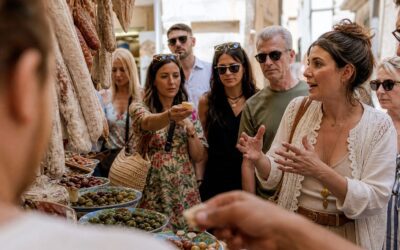
The incentive-program gift line item is one of the most-frequently undervalued parts of the program design. A great destination experience is the headline; the in-room gift the attendee opens on arrival, the off-property tasting they couldn’t have arranged themselves, the takeaway they carry home — these are what they remember when their colleagues ask about the trip three months later. The conventional default is a branded swag bag and a hotel-property gift. The pattern that consistently produces stronger attendee response is local sourcing — gifts and experiences tied specifically to the destination the program is celebrating.
Per the IRF/SITE Incentive Travel Index research on attendee program-recall drivers, the specific named experiences and locally-sourced gift items appear in attendee post-program recall far more often than the destination-generic branded swag categories. The reason is straightforward: a branded canvas bag exists in every conference registration giveaway; a small-batch mezcal from a named Oaxaca distillery exists only at this program.
(For the broader incentive-program design framework, our incentive travel programs page covers the full scope.)
The Procurement Framework
The right approach to local gifting is to treat it as procurement, not as a creative-shopping exercise. Three filters that consistently surface the right items:
Authentic to the destination. The gift should be something attendees can credibly say came from this specific place. A bottle of olive oil from a named estate in Tuscany works; a generic branded olive oil at an Italian program is invisible.
Operationally viable at program scale. Small-batch local items often have inventory constraints. The 50-bottle distillery run that sounds great for a 200-attendee group needs to be scoped before it goes on the gift card. The DMC partner in the destination is the right party to coordinate this — they have the local relationships to flag inventory issues before they become program-day problems.
Travels home cleanly. Customs, weight limits, breakage. Liquids over 100ml need checked-luggage planning. Anything fragile needs protective packaging. Anything regulated (alcohol, certain food items, certain natural materials) needs destination-specific compliance review.
Category-by-Category: What Actually Works
Mexico Programs (Cabo, Riviera Maya, Riviera Nayarit)
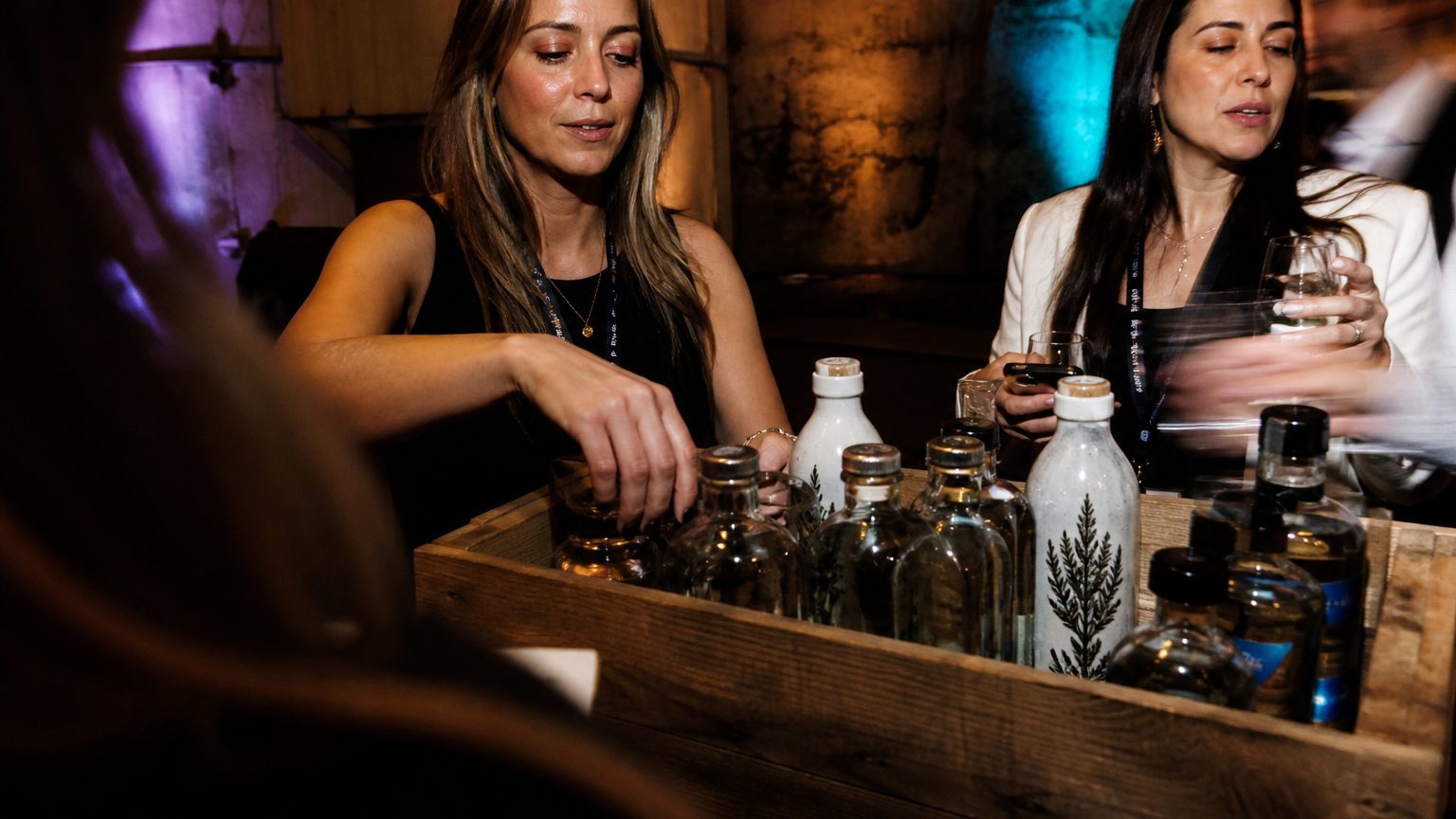
Small-batch tequila or mezcal from a named distillery — not a duty-free brand. Casa Dragones, Don Fulano, Real Minero are all examples of distilleries that ship at incentive-program quality and quantity. Local chocolate (Wakuli, KAKAW Museo) for in-room arrival gifts. Handcrafted leather goods from Guadalajara workshops for higher-tier programs. Skip the generic resort-branded items.
Caribbean Programs (Turks & Caicos, St. Lucia, Anguilla)
Aged rum from named distilleries (Foursquare Distillery in Barbados has industry credibility; Plantation, Diplomático are widely recognized premium brands). Local soaps, spice blends from named producers. Cigar bundles from Dominican Republic for masculine-leaning groups (verify dietary, religious, and brand-fit appropriateness for the audience first).
Hawaii Programs
Small-batch coffee from named farms (Big Island Coffee Roasters, 100% Kona Coffee Farmers Association members). Macadamia nut products from Mauna Loa or Hamakua Macadamia Nut Company. Local honey, vanilla from Maui-based producers. Hand-poured candles from Big Island or Maui artisans. The Hawaiian small-business gift ecosystem is genuinely deep.
Europe Programs (Italy, Portugal, Spain, the Mediterranean)
Single-estate olive oil, named-vineyard wine for tasting-experience anchors, local cheeses (with appropriate cross-border travel considerations), regional textiles and ceramics from named workshops. The European craft economies are strong; the local sourcing pattern works particularly well here.
U.S. Domestic Programs
Even domestic destination programs benefit from regional sourcing. Bourbon from named Kentucky distilleries for Lexington/Louisville programs. New Mexican green chile products for Santa Fe programs. Pacific Northwest coffee for Seattle/Portland programs. Texas barbecue rub and brisket-tooling gifts for Texas programs. The audience may be domestic but the gift specificity still differentiates.
The Per-Attendee Cost Math
Working ranges for incentive-program gifting per attendee, across the tiers we plan most often:
In-room arrival gift: $35-$85 per attendee for thoughtfully-sourced local items at typical incentive-program scale.
Mid-trip gift moment: $50-$150 per attendee (the on-property surprise that punctuates the middle of the program).
Closing-night signature gift: $100-$350 per attendee (the takeaway item that travels home).
Spouse / partner gift package: $75-$200 if the program brings partners.
Per BizBash incentive-program cost coverage and our own client benchmarks, total per-attendee gift spend at mid-tier incentive programs typically runs $250-$500, and at premium-tier programs $500-$1,200. The number sounds large; relative to the $4,000-$12,000 per-attendee total program spend, it’s typically 5-12% of the budget — and consistently among the highest-recall line items.
Experiences That Travel Home in Memory, Not in a Bag
The strongest “gifts” in many incentive programs aren’t physical objects at all — they’re experiences attendees can’t have arranged themselves. Examples that consistently land:
Private chef demonstrations at named local venues — a Cabo restaurant after-hours buyout with the chef leading a tasting, a Tuscany private vineyard dinner with the winemaker. Per SITE research on incentive-program recall drivers, named-venue experiences appear in attendee post-program recall at materially higher rates than property-hotel programming.
Cultural deep-dives — a private gallery tour, a small-group artisan workshop, a behind-the-scenes access moment that wouldn’t be available to a general visitor.
Adventure or signature moments — helicopter to a remote dinner, sunrise hot-air balloon over Capadoccia, helicopter tour of the Big Island volcanic landscape. Higher-cost; consistently memorable.
The Brand-Swag Pattern to Avoid
One pattern we’d push back on: heavily-branded company-logo items as the primary attendee gift. The branded backpack, the branded water bottle, the branded notebook — these feel like marketing handouts, not recognition gifts. Per IRF research on program recognition design, attendees recognize the difference between “marketing collateral” and “thoughtful gift,” and the program ROI math favors thoughtful over branded. If the company brand needs to be present, integrate it subtly (a small embossed logo on a high-quality leather item, or co-branded only on the packaging) rather than making it the primary feature.
Logistics: The Operational Layer
Local gifting depends on operational coordination most agencies underweight. The DMC partner in the destination handles inventory verification, in-destination pickup or delivery to the host property, customs documentation if applicable, and the in-room or in-bag placement work. The agency-side responsibility is design, sourcing decisions, and quality control. The handoff between these parties needs to be specific.
If you want help designing the gifting layer of an incentive program, our team can help. We’ve sourced gifts and experiences across the destinations named above and have working DMC relationships to coordinate the operational delivery.
Related reading: What is a DMC? — the on-the-ground partner who makes local gifting operationally viable.
Related reading: Incentive travel programs — the full program-design service.
Related reading: Incentive Travel & President’s Club planning services
Waiting for your site to be built?
We build great registration sites FAST.