Most articles about personalizing a President’s Club trip tell you to put a monogrammed tumbler in the room and call it a day. A few others tell you to scrap the group trip entirely and hand everyone a gift card for an individual experience. Both are wrong, or at least incomplete. The winners keep the group trip and personalize inside it, across the whole journey, from the moment the qualifier gets the congratulations email to the follow-up survey three weeks after they get home.
Personalization is a retention play, not a gifting line item. The Incentive Research Foundation has consistently found that non-cash rewards and travel drive engagement in ways cash bonuses don’t, largely because the experience is memorable and social. When you personalize that experience to the individual, you compound the effect. That’s the whole game.
Here’s the operator version: what to actually collect, what it costs per head, how to handle the accommodations nobody blogs about, and how to prove it worked. We’ll also flag where this goes wrong, because it does.
Why personalization actually moves the needle
Recognition programs correlate with lower turnover, and the numbers are real when you cite the right source. Gallup’s research on employee recognition ties frequent, meaningful recognition to markedly lower voluntary turnover, not a vague blog stat. For a sales org where replacing a ramped rep can cost well over a year of their quota to backfill and re-ramp, that math is not subtle.
The 2023 Incentive Travel Index from IRF and SITE also found that participants increasingly value free time and personal choice within a program, not wall-to-wall scheduling. That’s the data behind a point every planner learns the hard way: over-programming a trip is the fastest way to make your top performers resent it.
Personalization gets sold as a warm-and-fuzzy nicety. It’s actually a hedge against your best reps walking. Frame it that way to your CFO and the budget conversation gets shorter.
Collect the right data (and here’s the questionnaire)
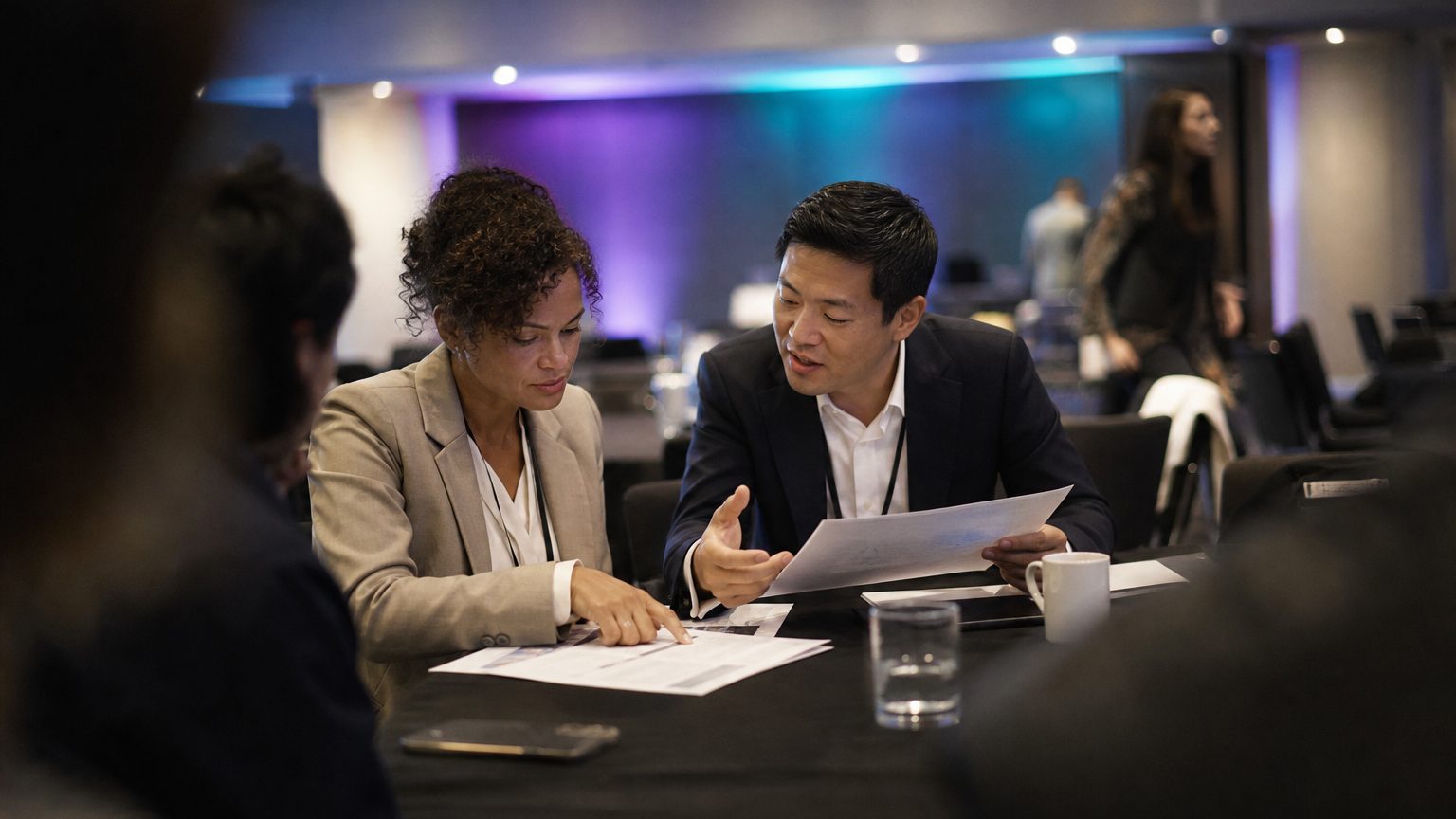
Every competitor tells you to “send a survey.” None of them hand you the questions. Here’s a preference questionnaire you can adapt. Keep it under two minutes to complete, and send it the day qualification is confirmed while excitement is peaking.
- Dietary: Any allergies, intolerances, or dietary patterns we should plan for? (Free text plus checkboxes: vegetarian, vegan, kosher, halal, gluten-free, nut allergy, shellfish allergy.)
- Mobility and accessibility: Do you need step-free access, a ground-floor room, or any accommodation to fully enjoy the trip?
- Activity appetite: Rank these on the day off: adventure (ziplining, diving), wellness (spa, yoga), culture (food tour, local history), or downtime (do nothing, poolside).
- Guest: Are you bringing a plus-one? Name, dietary needs, and one thing they’d love to do.
- Celebration: Any milestone during the trip window, birthday, anniversary, work anniversary?
- Sizing: Apparel and shoe size, for anything wearable in a room drop.
Turn responses into a scored persona
Take the activity-appetite ranking and score it. Assign each attendee a primary lean: Adventure, Wellness, Culture, or Downtime. Now your free-day options aren’t a chaotic menu of 14 activities; they’re four curated tracks, each sized to actual demand. If 60% of your group scores Downtime, you don’t book three catamarans. You book one, plus a lot of cabana time, and you save real money by not over-contracting.
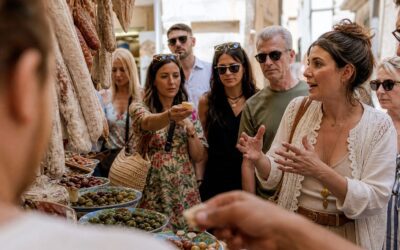
What this looks like on a real program: on our President’s Club at the Waldorf Astoria Los Cabos, each of the 150 attendees chose two activities instead of being assigned them: farm-to-table cooking, ATVs in the desert, a catamaran out to Land’s End, kayaking or golf. Nothing anyone was made to attend. See how that program came together.
People lie on surveys to seem fun. The rep who ranks “adventure” first often means it aspirationally. Build in an easy opt-out at every activity so nobody feels trapped on a boat they secretly hated the idea of.
Handle dietary, accessibility, and cultural needs
This is the single biggest gap across every ranking article, and it’s the one that will actually blow up on-site if you skip it. Personalization that ignores a wheelchair user or a kosher-observant guest isn’t personalization; it’s a liability.
- Dietary: Share the confirmed list with the venue’s banquet chef in writing, not verbally, at least 30 days out. At a property like the Grand Velas Los Cabos, the culinary team will build individual plated alternatives if you give them lead time. Give them 48 hours and you get a sad fruit plate.
- Accessibility and mobility: Confirm step-free routes to every event space, not just the guest room. Older resorts in destinations like Santorini or Positano are gorgeous and brutally step-heavy. Vet this before you contract.
- Religious and cultural: Prayer space, halal or kosher sourcing, and alcohol-optional events cost you nothing to plan and mean everything to the guest who needs them.
Never make a guest self-identify a disability in front of peers. Handle it privately in the questionnaire and execute it invisibly on-site.
What personalization actually costs per head
Here’s an operator range. For context, IRF has pegged average per-person incentive travel budgets in the several-thousand-dollar range, and true President’s Club programs at premium properties routinely run higher. Personalization is a layer on top of that base trip cost, and it tiers roughly like this:
- Lean ($150-$400/head): Personalized welcome note, curated room drop matched to persona, one celebration touch (a birthday amenity), dietary handling. This is table stakes and it’s cheap.
- Mid ($400-$1,000/head): Everything above plus a choose-your-own free day across scored tracks, a personalized gift with real perceived value, and a guest-specific touch for plus-ones.
- High ($1,000-$2,500+/head): Individualized excursions, private experiences (a chef’s table, a sunset sail for the Adventure cohort), bespoke gifting, and surprise-and-delight moments engineered from the data.
For where these tiers land best by destination and property class, our destination finder tool is a faster starting point than a spreadsheet, and the 2027 President’s Club destination shortlist we maintain gives you properties we’ve already vetted for this kind of execution.
The room drop is where budgets quietly hemorrhage. A $95 branded jacket times 150 attendees is $14,250 before you’ve done anything memorable. Spend on the two moments people photograph, not on the tenth logo item they leave in the closet.
Don’t forget the tax treatment
Individualized rewards and the trip itself can carry different tax consequences. In the U.S., the value of an incentive trip is generally taxable income to the recipient, and many companies gross up so the reward doesn’t hit the rep with a surprise tax bill. Individual cash-equivalent rewards are almost always taxable and reportable. This isn’t tax advice, and your finance team should confirm treatment with counsel, but plan for the gross-up in your budget or your “reward” becomes a resented expense. Bake it in early.
Personalize at scale for 100+ attendees
Doing this for 20 people is a spreadsheet. Doing it for 200 is a system. This is the other big gap in existing coverage.
Use registration and event-app data
Push the preference questionnaire through your registration platform (Cvent, or an event app with profile fields) so responses feed a single source of truth instead of eleven email threads. On-site, an event app lets each attendee see only their personalized itinerary, their track, their table, their transfer time. The Cvent research and resources hub is a reasonable reference for how planners are structuring this data capture.
Automate the touchpoints, not the warmth
Automate the logistics (segmented emails, itinerary delivery, dietary flags to the venue). Keep the human moments human. A hand-signed note from the CRO to a rep who just closed the biggest deal of their career cannot be templated, and everyone can tell when it was.
At scale, the failure mode is a personalization promise you can’t operationally keep. If you offer four free-day tracks to 200 people, you need the transport, guides, and capacity to deliver all four. Under-deliver and personalization reads as chaos.
Measure whether it worked
Personalization without measurement is just spending. Build a simple framework and you can defend the budget next cycle.
- Post-trip NPS: Survey within 72 hours. Ask specifically about the personalized elements, not just “did you have fun.”
- Retention delta: Track 12-month voluntary turnover among qualifiers versus the broader sales org. This is the number your CFO cares about.
- Requalification intent: Ask directly whether the trip motivates them to qualify again. Intent to requalify is your leading indicator for next year’s pipeline.
For the broader business case behind incentive travel as a whole, everything we’ve learned about incentive travel lays out the ROI framing in one place.
The bottom line on the group-versus-individual debate
Some vendors argue you should replace the group trip with individual rewards. For most sales organizations, that throws away the two things that make President’s Club work: peer recognition and the shared story. The correct move is to keep the group trip and personalize aggressively inside it. Individual rewards make sense as a supplement for the rare qualifier who genuinely can’t travel, not as a replacement for the whole program.
Ready to build one?
Personalizing a President’s Club trip well is a mix of good data, real budget discipline, and knowing which properties can actually deliver on the promises you make. That’s the part we do every day. Talk to our team about scoping a 2027 program, and we’ll help you build a trip your top performers will fight to qualify for again.
Related reading: Set-Jetting Incentive Travel: 2027 Destinations & Playbook.