
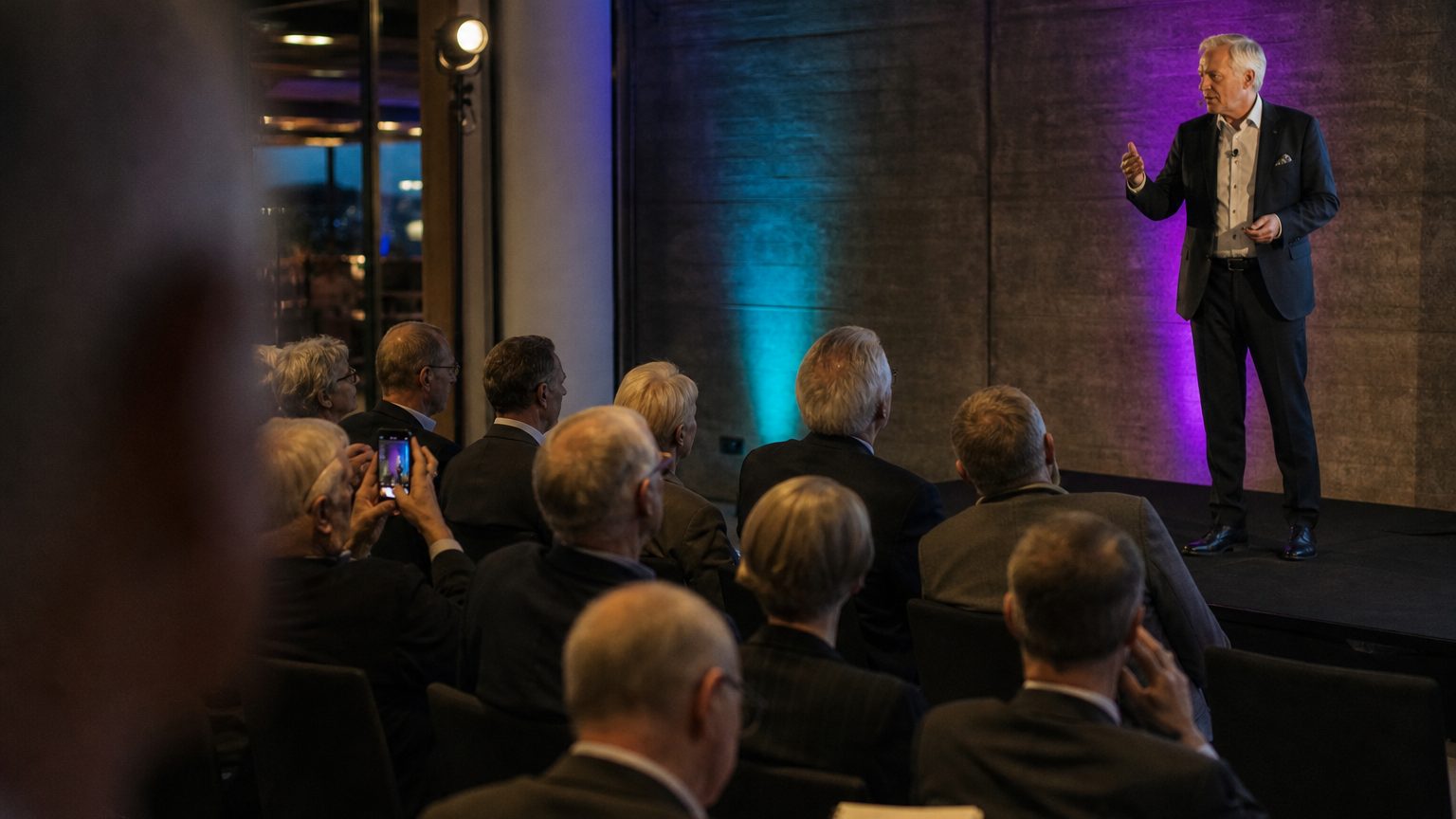
The keynote speaker is often the single highest-cost line item on a corporate event program — and often the single most-mishandled. The conventional pattern is to start with “who are we going to get” and end with whoever the bureau can confirm. The pattern that consistently produces strong keynote moments starts with what the keynote is supposed to accomplish for the program, then sources the speaker who can deliver that work credibly. This guide is the working framework we use with corporate clients — how to scope the keynote moment, which speaker bureaus are worth working with, the fee bands that are actually current in 2026-2027, and the contract terms that meaningfully impact program outcomes.
(For the broader program operations framework, our corporate conferences and meeting planning page covers the full scope.)
Define the Keynote’s Job First
Different keynote moments do different work in a program. The scope should be specific before the search begins:
Industry-context keynote — sets the strategic frame for the program (market trends, competitive dynamics, technology shifts). Speakers: industry analysts, journalists, sitting executives at adjacent companies, named industry researchers.
Leadership / culture keynote — addresses team culture, leadership philosophy, change navigation. Speakers: business-book authors, former senior executives, academic researchers (HBS, Wharton, Stanford), military leadership backgrounds.
Inspiration / story keynote — emotional anchor, narrative depth, motivational impact. Speakers: athletes (Olympic, professional, adventure), authors of memoir-style books, social-impact founders.
Entertainment / celebrity keynote — primarily attendee experience, recognition signaling, program tier. Speakers: late-night comedians, recognizable entertainment figures, retired professional athletes with strong speaking practice.
Technical / category-expert keynote — specific subject-matter depth tied to the program’s strategic content. Speakers: domain researchers, technical executives, named industry practitioners.
Programs that mix these scope types within a single keynote selection usually produce a keynote that doesn’t fully deliver any of them. Specificity in the scope produces better outcomes than breadth.
The Speaker Bureaus Worth Working With
The speaker-bureau industry is concentrated; a small number of bureaus represent most of the speakers corporate programs are likely to book. The bureaus that consistently operate at the level corporate programs need:
WSB (Washington Speakers Bureau) — strong on political figures, former executives, established business authors. Premium fee band.
CAA Speakers — broad roster including entertainment, sports, business. Aligned with the broader CAA representation, so often the path to celebrity speakers.
Leading Authorities — strong on policy, journalism, business. Generally good response times.
Harry Walker Agency — historically strong on senior political and policy figures. Premium fee band.
Keppler Speakers — broad roster, particularly strong on sales-and-leadership category speakers.
BigSpeak — strong on business-author and TED-style speakers. Generally faster turnaround on quotes.
Stern Speakers — strong roster of academic-affiliated speakers.
Most major speakers are represented by one of these bureaus or by a comparable agency. The bureau is a coordinator — they don’t typically negotiate the fee meaningfully below the speaker’s standard rate.
The 2026-2027 Fee Bands
Speaker fees have firmed considerably since 2019. Working ranges (paid keynote, 45-60 minutes, single appearance, U.S. domestic, plus expenses):
Rising-tier business authors and category experts: $15,000-$45,000. Solid speaking practice; not yet household-name recognition.
Established business authors and senior journalists: $35,000-$95,000. Recognizable in industry circles; consistent speaking practice.
Former senior executives and policy figures: $50,000-$150,000+. Depends on tier (cabinet-level vs. agency-head vs. department deputy) and current relevance.
Top-tier business authors and academic researchers: $75,000-$200,000+. Adam Grant, Brené Brown, Patrick Lencioni tier.
Former heads of state, premier celebrity figures, top athletes: $250,000-$1,000,000+. Premium incentive-program and conference tier.
Per Cvent and Bizzabo industry coverage on event budgeting trends, speaker-fee budgets have grown roughly 15-25% above 2019 baselines, with the strongest growth at the established-author and former-executive tiers.
Contract Terms That Matter
The contract is where keynote outcomes are often decided. Specific terms worth negotiating:
Q&A vs. moderated conversation format. Many speakers have stronger Q&A or conversation performance than pure keynote performance. The format choice should match the speaker’s strengths. The contract should specify which format is locked.
Pre-event preparation call. A 30-60 minute prep call with the program owner or executive sponsor lets the speaker tailor content to the audience. Strong speakers value the prep call; bureau-only speakers without prep are higher risk for off-target keynotes.
Audience engagement protocol. Many speakers prefer no questions from audience; some are stronger with structured audience interaction. Clarify which the contract specifies.
Photo / video / clip rights. Most speaker contracts grant limited internal-use rights only. Programs wanting post-event marketing use of speaker content need to negotiate that specifically — often at additional cost.
Cancellation terms. What happens if the speaker cancels? What’s the backup-speaker path? Most contracts have force-majeure language; verify it.
Travel and accommodations standards. Premium-tier speakers typically require first-class travel and specific hotel-suite standards. Specify in the contract.
The Bureau-Versus-Direct Question
Some speakers can be booked directly without bureau intermediation. The trade-off:
Direct booking can save 20-30% of the all-in fee for speakers who accept direct inquiries. Most don’t, however — bureau relationships are how speakers protect their pricing and manage their calendars.
Bureau booking includes the coordination work (contract, prep, travel, on-site logistics) and the backup-speaker network if the primary speaker cancels. For programs without internal capacity to manage speaker logistics directly, the bureau’s coordination is worth the markup.
The Most Common Keynote Booking Mistake
One pattern that consistently produces mediocre keynotes: starting from the bureau’s roster rather than from the program’s needs. The bureau will share who’s available; the program is then built around their availability rather than the other way around. The pattern that produces stronger outcomes is starting from the keynote scope (industry context vs. inspiration vs. category expertise), then sourcing speakers who fit that scope across multiple bureaus.
If you want help scoping and sourcing the keynote layer of a corporate program, our team can help. We have working relationships across the major speaker bureaus and the discipline to scope keynote moments against the program’s strategic outcomes.
Related reading: Sales kickoff planning — keynote design at sales kickoffs.
Related reading: Incentive travel programs — keynote design at incentive programs (often different from conference keynote design).