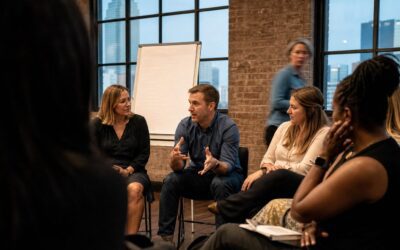
An event coordinator is one of the most valued members of any team as they help planners and managers move an event across the finish line! They are typically in charge of many of the ancillary duties, while perhaps being involved across many projects, working with several event managers or planners at a time.
For this reason, event coordinators have to be team players, and capable of juggling many tasks at a time.
Duties often depend on the company you work for or the event you are currently working on. But, in general, an event coordinator plans events by contributing to and finalizing a slew of logistical and operational tasks. Examples include: sourcing venues, researching entertainment ideas, correspondence with vendors, seeking out sponsors, and selecting the food & beverage for the duration of the event.
This role is usually considered to be a stepping stone towards becoming an event specialist, manager, or planner! Here are the most common tasks we see the event coordinator role take on before and during an event.
Event Coordinator Duties
Pre-event Tasks
- Organizing and maintaining budgets
- Attendee and staff communication
- Destination research and Venue sourcing
- Liaison with all vendors (communicating and processing orders)
- Researching and Sourcing entertainment
- Creating registration reports
- Ordering food & beverage
- Managing hotel room block
- Managing attendee questions via phone and email
- Printing and shipping out any event materials
- Attend update meetings
Day-of-Event Tasks
Most event coordinators have the difficult task of organizing everything on-site before the event starts. Usually, this is done the day before or even hours before the start of the event, so it is, by all means, no easy task.
Problem solving skills, being organized and focused come into play at this moment because this is when most issues will arise.
- Addressing problems that may arise
- Answering attendee questions
- Communicating with vendors
- Strategically placing signage
- Organizing the registration desk
- Checking on room set-ups
- Ensuring food & beverages are set
What Skills Do You Need?
Thinking about becoming an Event Coordinator? To manage an event efficiently an Event Coordinator must have a certain skill set. Here are some skills to have to become successful:
- Strong communication skills
- Great people skills
- High level of customer service
- Logistics oriented
- Negotiating skills
- Attention to detail
- Organized
- Adapts to change well
- Ability to multi-task
- Team player
- Adheres to timeline/deadlines
- Resourceful
- Problem solver
- Ability to endure long works days and desire to travel when it comes to event time
- Works well under pressure
Event coordinator meaning
An event coordinator is the person who keeps an event’s moving parts on schedule: confirming vendors, tracking registrations, building run-of-show documents and solving small problems on site before anyone notices them. The planner or manager owns the strategy and the budget. The coordinator owns the follow-through.
Sample event coordinator job description
If you are hiring for the role, or checking a job posting against what the work really involves, this is the version we would write for a corporate events team.
Role summary. The event coordinator supports the event manager across several programs at once, from small internal meetings to multi-day conferences, and is the day-to-day contact for vendors and attendees.
Responsibilities.
- Build and maintain event timelines, task lists and run-of-show documents
- Manage registration: set up forms, answer attendee questions, track headcounts and dietary needs
- Request quotes, confirm orders and keep vendor contracts and deadlines organized
- Coordinate rooming lists, travel details and ground transportation
- Prepare signage, badges, printed materials and shipping for on-site kits
- Staff the registration desk and support sessions, speakers and AV on show days
- Reconcile invoices and collect attendee feedback for the post-event report
Qualifications. One to three years in events, hospitality or project coordination; clear written communication; comfort with spreadsheets and a registration platform such as Cvent; and the temperament to stay calm when the schedule changes at 7 a.m.
Reports to. The event manager or director of events.
The Wrap
If you are well-organized, excellent communication, great attention to detail among other things becoming an event coordinator may be the perfect job for you.
Event coordinators have to be team players that can manage projects with several moving pieces while assisting your event planner or manager. This makes it an excellent stepping stone for a career in becoming an event manager or planner where your role will become focused on fewer events, but entail much greater responsibility.
Related reading: 10 Key Differences Between Event Managers & Event Planners, Event Operations: 7 Key Duties & Management Guide and What is Event Production? Raise Your Corporate Events.